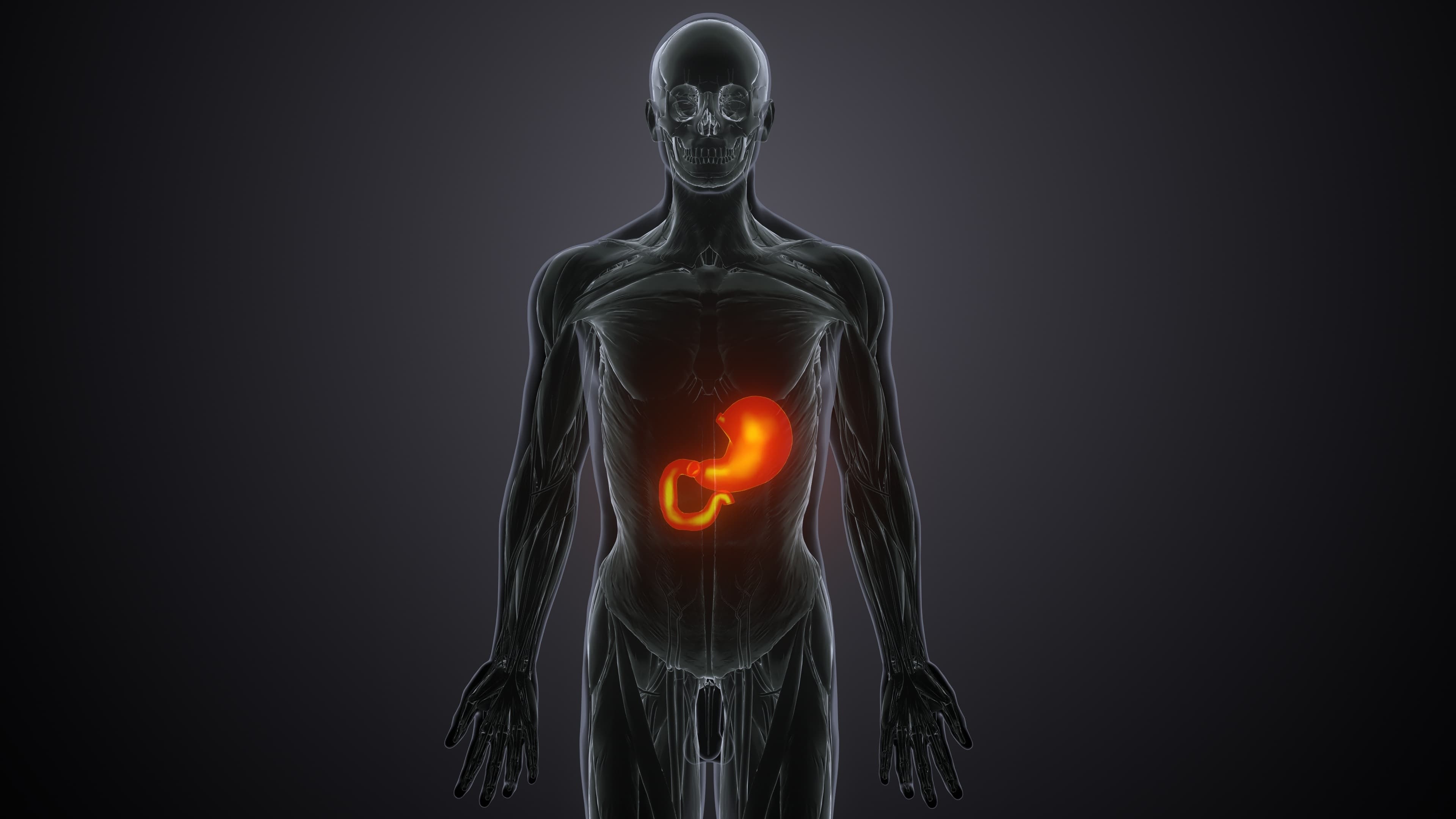
Metabolic health is your body's ability to manage blood glucose, insulin, energy storage, blood pressure, cholesterol, visceral fat and liver fat — efficiently, without compensating. You can have a normal weight, normal blood reports, and still be metabolically unwell. That gap between apparent normality and underlying dysfunction is where most chronic disease silently begins.
Why This Matters More Than You Might Expect
I've been in clinical practice for over 15 years. And one pattern I see more than any other in Mumbai is this: the health-aware person who is surprised by his undetected and unexpected findings.
They eat reasonably well. They walk. They had a check-up last year. Everything looked almost "normal" — but not alarming. Then, at some point, the fasting sugar tips over. The liver ultrasound comes back as fatty liver. The cardiologist flags the lipid profile. Would you say they were ignoring their health? Not at all. They were tracking the wrong signals.
Metabolic health is a pattern — not a single number. And in urban India, where long commutes compress our sleep, late dinners are practically unavoidable, and chronic work stress is the norm, this pattern is deteriorating faster than most people realise. The ICMR-INDIAB national study, published in The Lancet Diabetes & Endocrinology (2023), found diabetes in 11.4% of Indian adults surveyed, and prediabetes in a further 15.3%. Dyslipidaemia — abnormal blood fats or abnormal lipid profile — was present in 81.2%. Abdominal obesity affected 39.5%. And these are not numbers from a population that's eating carelessly. Many of those affected would describe themselves as healthy.
What "Metabolically Healthy" Actually Means
The formal definition comes from metabolic syndrome — a cluster of clinical risk factors. But I find it more useful to describe metabolic health this way:
Your body can process food, regulate blood glucose and insulin, maintain appropriate blood pressure, preserve muscle, and keep fat out of places it shouldn't be — without needing to compensate.
"Without needing to compensate" is the important phrase. In early metabolic dysfunction, the body compensates — the pancreas produces more insulin, blood pressure creeps upward, the liver starts handling glucose overflow. Routine tests may still look acceptable. But the compensatory load is building quietly.
The clinical definition of metabolic syndrome requires at least three of the following five criteria:
In practice, we don't stop at counting three criteria. A person with two criteria, increasing waistline, and a fatty liver ultrasound is carrying a meaningful risk pattern — worth understanding and acting on.
Normal BMI Does Not Mean Metabolically Healthy
This is the point we repeat most often. It genuinely surprises people.
Indians develop insulin resistance, fatty liver, and visceral fat accumulation at lower BMI levels than most Western populations. This is a well-documented physiological difference. A person with a BMI of 23 may have elevated visceral fat, low muscle mass, a fatty liver, raised triglycerides, and early insulin resistance. There is a reason behind this — South Asians and Indians have a lower storage capacity for subcutaneous fat, and hence there is more spillage into visceral fat. The number on a scale tells you almost none of this.
We have seen this precise picture in people who jog, eat home food, and come in with completely clean-looking routine reports. And sometimes, better biomarkers in patients who are technically overweight by BMI but carry proportionally more muscle and less visceral fat.
The lesson isn't that weight doesn't matter. It's that BMI and body weight are poor proxies for metabolic health in the Indian context specifically.
The Central Driver: Insulin Resistance
Insulin is not the enemy. It's essential. After a meal, insulin helps move glucose from the bloodstream into muscle cells and the liver. It's one of the most important hormones in the body. The problem begins when cells stop responding to it properly.
When muscles are underused, visceral fat is accumulating, sleep is poor, and meals are high in refined carbohydrates — a fairly accurate description of many urban Indian professionals' daily reality — the body becomes less sensitive to insulin. The pancreas compensates by producing more insulin, and blood glucose may remain normal for years while insulin is chronically elevated. This is insulin resistance. It's the central engine driving most metabolic dysfunction: fatty liver, prediabetes, type 2 diabetes, elevated triglycerides, rising blood pressure, persistent hunger, and weight gain that doesn't respond well to simple calorie reduction.
For Indian diets specifically, this matters because even home-cooked meals can carry a high glycaemic load — poha, upma or idli at breakfast; rice or roti in both meals; biscuits in between; fruit juice; a late-night homemade chiwda. None of it is "junk" in the conventional sense. But the cumulative glucose challenge, three to four times a day, sustains insulin levels that the body was never designed to handle chronically.
Visceral Fat: The Fat That Actually Drives Disease
Not all fat behaves the same way — brown or yellow, subcutaneous or visceral. Subcutaneous fat, the fat under your skin, is largely inert. Visceral fat, wrapped around the intestines, liver and pancreas, is metabolically active. It releases inflammatory signals, worsens insulin resistance, pushes fat into the liver, and elevates cardiovascular risk markers.
Indians are particularly prone to visceral fat accumulation. The capacity to store fat subcutaneously is relatively limited in Indians compared to some other populations. When fat needs somewhere to go, it goes visceral — even at weights that look completely normal externally. The thin person with a belly is not a safe picture metabolically. This is why waist circumference tells a more meaningful story than BMI. A simple rule worth remembering: your waist should ideally be less than half your height.
Markers worth tracking
- check_circleWaist circumference and waist-to-height ratio
- check_circleBody composition — specifically visceral fat, not just total body weight
- check_circleFasting triglycerides and HDL cholesterol
- check_circleFasting glucose, fasting insulin, HOMA-IR, HbA1c
- check_circleLiver enzymes: ALT, AST, GGT
- check_circleBlood pressure
Fatty Liver: A Metabolic Warning Signal That Gets Dismissed Too Often
One of the most common things we hear when a client sees fatty liver on an ultrasound report is: "I don't really drink." Even their family members are surprised — because many people still assume that fatty liver and cirrhosis are primarily an alcohol problem. In India today, most fatty liver is metabolic in origin. The accurate clinical term is MASLD — Metabolic Dysfunction-Associated Steatotic Liver Disease. It reflects insulin resistance, visceral fat accumulation, refined carbohydrate excess, and insufficient muscle activity. Fatty liver is not a benign finding to note and move on from. It can signal broader metabolic dysfunction, predict future diabetes risk, and — if it progresses to hepatic inflammation — carry meaningful long-term implications.
Relevant investigations in this situation
- check_circleLiver enzymes: ALT, AST, GGT
- check_circleUltrasound abdomen (FibroScan provides a more objective, reproducible assessment)
- check_circleFIB-4 score — a non-invasive fibrosis risk estimate calculated from age, ALT, AST and platelet count
Glucose Testing: HbA1c Is Not the Full Picture
HbA1c is the standard diabetes screening tool — a three-month average of blood glucose exposure. It's useful. But it has real limitations that matter clinically. It won't show you post-meal glucose spikes. Someone's blood glucose can reach 180 mg/dL two hours after a meal and return to normal — the average looks acceptable, but the repeated excursion still drives metabolic stress. It also tells you nothing about insulin levels or resistance.
Tests we use depending on the clinical picture
1. Fasting Glucose
Widely available and useful as a baseline. But it frequently misses early dysfunction entirely.
2. HbA1c
The standard screen. Important limitations: it can be affected by anaemia, haemoglobin variants (common in India), kidney disease, and altered red cell turnover. Interpret in context.
3. Oral Glucose Tolerance Test (OGTT)
In my opinion, one of the most underused but most valuable tests in routine clinical practice. It shows how the body handles a glucose challenge over two hours — and can detect impaired glucose tolerance before fasting glucose becomes abnormal. For patients in that ambiguous borderline zone, it often reframes the picture.
4. Continuous Glucose Monitoring (CGM)
Not required for everyone. But for selected patients — particularly those with prediabetes, unexplained glucose variability, or a strong interest in understanding their food responses — CGM is genuinely informative.
5. Fasting Insulin and HOMA-IR
Can identify insulin resistance in selected patients before glucose itself becomes abnormal. Interpretation must be clinical — not isolated from the broader picture.
The principle: at HealthSpanMD, we don't test everything in every patient. We choose investigations that actually change decisions.
Muscle: The Metabolic Organ Most People Forget
Muscle is one of the largest glucose disposal organs in the human body. After a meal, a significant portion of the glucose load is absorbed by muscle. The more functional muscle you carry, the better your body handles that glucose challenge. When muscle mass is low and muscle activity is poor, glucose has fewer places to go. This compounds insulin resistance directly. In India — where low muscle mass is common even in non-obese individuals, and where exercise often means walking (valuable but insufficient on its own) — this is a genuine and underappreciated clinical gap.
The goal for metabolic health is not simply weight loss. It is fat loss with preservation — or ideally increase — of muscle mass. This distinction changes the entire approach. Resistance training improves insulin sensitivity, maintains bone mass, supports long-term functional independence, and is one of the most evidence-backed metabolic interventions available. You don't need a gym. Body weight, resistance bands, and basic compound movements all work if done consistently and with progressive challenge.
Older adults need particular attention here. Anabolic resistance — the reduced efficiency of building muscle from the same protein stimulus that worked at 35 — means both protein intake and strength training matter more, not less, with age.
Aerobic Fitness and Zone 2 Training
If muscle is the structural side of metabolic health, aerobic fitness is the functional side. The mitochondria — the powerhouse of your cells — are what drive metabolic flexibility: the ability to shift efficiently between burning fat and glucose depending on energy demands. Poor aerobic capacity often reflects mitochondrial insufficiency, which shows up as fatigue, limited exercise tolerance, and less efficient glucose regulation.
Zone 2 training is sustained aerobic exercise at a moderate, comfortable intensity — the level where you can hold a conversation in short sentences, but wouldn't be comfortable singing. It's not a vague "feeling light" category. It's a specific physiological zone that trains the mitochondria, improves fat oxidation, and enhances insulin sensitivity over time.
For Mumbai professionals, this doesn't need to be complicated. Brisk walking, incline treadmill, cycling, swimming, or easy jogging — done consistently, 150 to 300 minutes per week at appropriate intensity — covers the aerobic foundation. The critical variable is consistency. Forty-five minutes three to five times a week is far more valuable metabolically than two intense hours on a weekend.
Sleep: The Metabolic Variable Nobody Wants to Hear About
Sleep is where the body repairs tissue, regulates hormones, processes metabolic waste, and consolidates recovery. Poor sleep worsens insulin resistance, elevates cortisol, drives hunger and cravings — specifically for high-sugar and high-fat foods — and undermines virtually everything else you do for metabolic health. A patient can eat carefully, exercise consistently, and still struggle metabolically if they're sleeping five hours a night, using alcohol to wind down, and waking up unrefreshed. The lifestyle inputs matter, but they don't override a compromised sleep architecture. Mumbai makes this structurally harder: late work calls, traffic stress, evening social commitments, screens, afternoon caffeine, and unavoidably late dinners all push sleep timing later and erode sleep quality.
Signs worth taking seriously
- check_circlePersistent daytime sleepiness despite apparently adequate sleep
- check_circleMorning headaches
- check_circleBlood pressure difficult to control despite treatment
- check_circleWaking unrefreshed
- check_circleSnoring — a partner often notices this before the patient does
- check_circleNight-time reflux or frequent urination at night
Obstructive sleep apnea deserves particular mention. It is often underdiagnosed — especially in men and in people with abdominal obesity — and it directly worsens insulin resistance, hypertension, and arrhythmia risk. If there is any clinical suspicion, evaluation by home or lab sleep study is warranted.
Chronic Stress: Not Just Psychological, Metabolically Disruptive
Cortisol — the primary stress hormone — raises blood glucose, promotes visceral fat accumulation, disrupts sleep, and drives hunger. Chronic stress, the kind that many of Mumbai's founders, CXOs, bankers, doctors, and senior professionals carry as a baseline, is not just emotionally exhausting. It actively worsens the metabolic environment. You can know exactly what to do and still struggle to do it consistently when the underlying stress load isn't addressed. That's not willpower failure. That's physiology.
Across the patients we see at HealthSpanMD — including fitness-aware professionals in their late 30s, perimenopausal women managing two careers, and senior executives whose diet and exercise look excellent on paper — the pattern repeats. Metabolic health in these individuals requires understanding the whole picture, not just adding another protocol on top of an already overloaded day.
A Risk-Based Metabolic Health Checklist
How to Improve Metabolic Health: Practical Steps for Indians
1. Reduce Glycaemic Load — Not Just "Sugar"
The issue is rarely just added sugar. Rice, roti, bread, poha, upma, idli, dosa, biscuits, namkeen, fruit juice, and large late-night carbohydrate portions all contribute to glycaemic load in a cumulative way.
A simple plate framework
- check_circleHalf plate: vegetables and salad
- check_circleOne quarter: protein
- check_circleOne quarter: complex carbohydrates
- check_circleHealthy fats in moderation; avoid large meals after 8 pm
2. Eat Enough Protein — Most Indians Don't
Dal and rice is not a high-protein meal. Protein needs to be deliberately added to every meal. Options across dietary preferences:
- check_circleVegetarian: dal, sprouts, chana, rajma, paneer, Greek yogurt, tofu, soy
- check_circleNon-vegetarian: eggs, chicken, fish
- check_circleSupplements where appropriate and indicated
Requirements increase with age, during weight loss, and with high physical activity. Patients with kidney disease need careful individual calibration.
3. Strength Train 2–4 Times Per Week
You don't need a gym. Body weight, resistance bands, or basic free weights are sufficient. Key principles:
- check_circleCompound movements: squats, hip hinges, push ups, pull ups
- check_circleCore stability and grip strength
- check_circleProgressive overload — gradually increasing the challenge over time
Consistency is much more important than intensity, especially when starting out.
4. Zone 2 Cardio — 150 to 300 Minutes Per Week
Brisk walking, incline treadmill, cycling, swimming, or easy jogging at a conversational pace. This specifically supports mitochondrial adaptation and fat oxidation — different physiological benefits from high-intensity training.
5. Walk After Meals
A 10–15 minute walk after lunch or dinner measurably reduces post-meal glucose rise. Simple, accessible, and effective.
6. Fix Sleep Before Anything Else
- check_circleTarget 7–8 hours with consistent timing
- check_circleEarlier, lighter dinners where possible
- check_circleReduce alcohol, late caffeine, and screen time before bed
- check_circleIf sleep apnea is suspected, evaluate it — treating it has meaningful metabolic effects
7. Track Biomarkers, Not Just Weight
Body weight gives you one variable. A structured metabolic assessment — body composition, waist, blood pressure, glucose, insulin, lipids, liver enzymes, and sleep — gives you a pattern you can interpret and act on.
At HealthSpanMD, our care pathway covers this fully: physician interpretation, exercise specialist input, and nutritional planning as part of ongoing care — not a one-time test panel.
When Should You Seek a Medical Evaluation?
Earlier than most people do. Metabolic disease is considerably easier to prevent or reverse in its early stages than once complications have developed. Seek evaluation if any of the following apply:
- check_circleFamily history of diabetes or early cardiovascular disease
- check_circleWaistline increase after age 30, even without significant weight change
- check_circleBlood pressure consistently above 130/85 mmHg
- check_circleSnoring or suspected sleep apnea
- check_circlePost-meal energy crashes or persistent daytime sleepiness
- check_circlePCOS or PMOS or perimenopausal metabolic changes
- check_circleSedentary work with high chronic stress
- check_circleFatty liver on ultrasound — even if described as mild
- check_circleBorderline HbA1c or triglycerides that haven't been investigated further
We hear the whisper of biology much before the shout of symptoms.
FAQs
What is metabolic health, in simple terms?
Metabolic health is how efficiently your body processes food, regulates blood glucose and insulin, manages blood pressure and cholesterol, and keeps fat out of places it shouldn't be — such as the liver and around the organs. It's the difference between a body that manages energy cleanly and one that is quietly struggling.
Can I be metabolically unhealthy with a normal BMI?
Yes — and this is particularly relevant in the Indian context. Normal BMI is fully compatible with high visceral fat, fatty liver, insulin resistance, low muscle mass, and abnormal triglycerides. BMI measures weight relative to height; it measures none of these things.
Is HbA1c enough to assess metabolic health?
No. HbA1c reflects average blood glucose over roughly three months but misses post-meal glucose spikes, insulin resistance, liver fat, and cardiovascular risk markers. A broader panel — including body composition, fasting insulin, lipids, and clinical assessment — gives a far more complete picture.
What is the best early marker of metabolic risk?
There isn't one single best marker. Waist circumference, fasting triglycerides, HDL cholesterol, blood pressure, fasting glucose, and body composition together form a useful picture. The OGTT and HOMA-IR can reveal early insulin resistance before glucose itself becomes abnormal.
Why is visceral fat dangerous?
Visceral fat is metabolically active — it releases inflammatory signals, worsens insulin resistance, pushes fat into the liver, elevates triglycerides, and is strongly linked with cardiovascular and metabolic risk. Unlike subcutaneous fat, it doesn't sit inertly; it actively disrupts metabolic signalling.
Is fatty liver reversible?
In early stages, yes — often substantially. Reducing glycaemic load, losing fat while preserving muscle, improving sleep quality, reducing alcohol, and addressing insulin resistance all contribute to measurable improvement in liver fat. Advanced disease with fibrosis needs specialist evaluation.
Is walking enough for metabolic health?
Walking is genuinely beneficial, especially post-meal. But for most adults, optimal metabolic health also requires Zone 2 aerobic training for mitochondrial adaptation and resistance training for muscle mass and insulin sensitivity. Walking alone rarely addresses all three requirements.
What is Zone 2 training?
Zone 2 is sustained aerobic exercise at a moderate, conversational intensity — the level where you can speak in short sentences but wouldn't be comfortable sustaining a long conversation. It specifically trains the mitochondria, improves fat oxidation, and enhances metabolic flexibility. These benefits are distinct from those of higher-intensity exercise.
Should everyone use a continuous glucose monitor (CGM)?
No. CGM is most useful for people with prediabetes or diabetes, those with unexplained glucose variability, or individuals who want to understand how specific foods, exercise, and sleep affect their glucose. It's a valuable clinical tool in the right context, not a universal requirement.
When should I see a doctor about metabolic health?
If you have prediabetes, fatty liver, high blood pressure, abnormal lipids, increasing abdominal girth, family history of diabetes or cardiovascular disease, PCOS, perimenopausal metabolic changes, or unexplained fatigue — seek evaluation. At HealthSpanMD, we have a Metabolic Reset program which comprehensively focuses on metabolic health.
Key Takeaways
- check_circleMetabolic health is a pattern across glucose, insulin, visceral fat, liver fat, cholesterol, blood pressure, muscle, sleep and fitness — not a single number
- check_circleNormal BMI and normal weight do not guarantee metabolic health, especially in Indians
- check_circleInsulin resistance drives most metabolic dysfunction and can be present for years before routine tests show it
- check_circleMuscle mass and aerobic fitness are underappreciated metabolic variables with direct therapeutic implications
- check_circleSleep and chronic stress are not “soft” factors — they have measurable, documented effects on glucose, insulin and cardiovascular risk
- check_circleThe goal is not perfection. It is measurable, sustained improvement: smaller waist, better glucose response, lower triglycerides, better blood pressure, less liver fat, stronger muscles and better aerobic capacity
Move from a disease-label mindset to a risk-reduction mindset. Ask: what is my risk pattern, and what can be improved in the next 3–6 months?
References
- Anjana RM, et al. Metabolic non-communicable disease health report of India: the ICMR-INDIAB national cross-sectional study. The Lancet Diabetes & Endocrinology. 2023.
- Mottillo S, et al. The Metabolic Syndrome and Cardiovascular Risk: A Systematic Review and Meta-Analysis. Journal of the American College of Cardiology. 2010.
- American Heart Association. Metabolic Syndrome — Symptoms and Diagnosis.
- WHO. Waist Circumference and Waist–Hip Ratio: Report of a WHO Expert Consultation. 2011.
- American Diabetes Association. Diagnosis and Classification of Diabetes: Standards of Care in Diabetes — 2026. Diabetes Care. 2026;49(Suppl 1):S27–S49.
- EASL–EASD–EASO. Clinical Practice Guidelines on MASLD. J Hepatol. 2024.
- Deepa M, et al. High prevalence of metabolic obesity in India: ICMR-INDIAB study. Indian J Med Res. 2025.
This article is for educational purposes only. It does not constitute medical consultation, diagnosis, or treatment advice, and does not establish a doctor-patient relationship. For personalised assessment, biomarker interpretation, medication decisions, and a metabolic health plan, please book an appointment at HealthSpanMD (www.thehealthspanmd.com).
About the Author
Dr Narendra RathiMD · DNB · FRCP — Founder, HealthSpanMD
Dr Narendra Rathi is a Mumbai-based postgraduate medical doctor focusing on preventive health, metabolic health, medical longevity and healthy aging, with more than 15 years of clinical experience. He is a credentialed professional from the American College of Sports Medicine and the American College of Lifestyle Medicine, and holds a fellowship from the Royal College, London. He is the founder of HealthSpanMD, which focuses on metabolic and preventive health, medical longevity and healthy aging through evidence-based strategies, delivered via a continuous-care model.