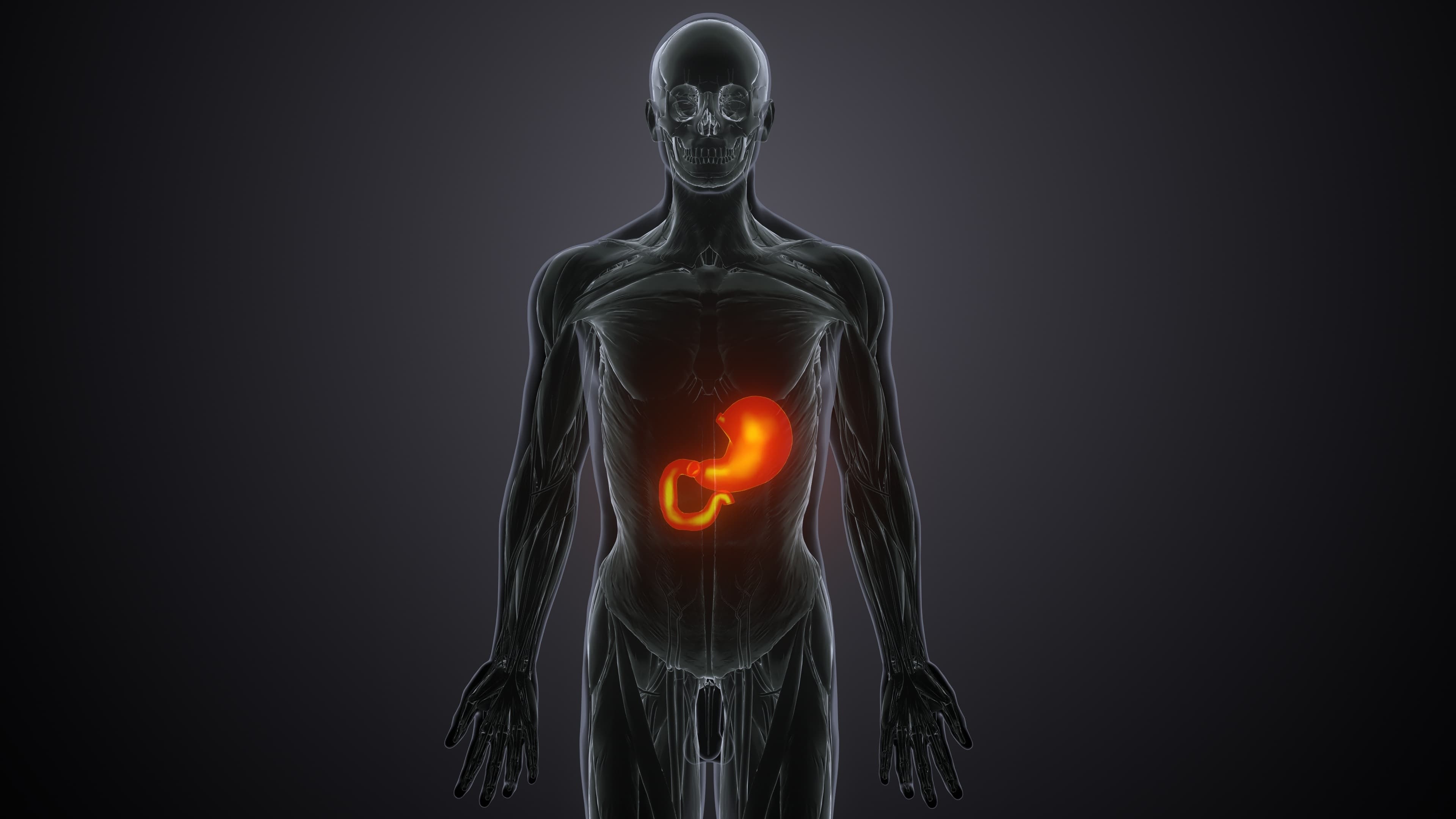
Visceral fat is deep abdominal fat stored around internal organs like the liver, intestine and pancreas. Unlike subcutaneous fat — the kind you can pinch — it behaves like a metabolically active organ: it drives insulin resistance, triggers chronic inflammation, promotes fatty liver and substantially raises the risk of diabetes and heart disease. In Indians especially, it can be dangerously high even when BMI looks completely normal.
Why This Matters — Especially in India
Let me start with something we encounter regularly in our health practice at HealthSpanMD. A patient walks in — professional, health-conscious, not visibly overweight. They've been walking 7,000 steps a day for years. BMI is 22.8. Blood pressure looks reasonable. They feel fine, and they've come in for a "routine check." A few months earlier, a regular physician checkup — fasting and post-meal blood sugar, HbA1c, lipid profile, blood pressure — came back normal.
Then we go through the full metabolic and longevity assessment — much of which isn't part of a regular physician checkup. Waist circumference: higher than normal. Fasting insulin: elevated. OGTT: deranged, even though fasting glucose was still technically within range. Ultrasound: grade 1 fatty liver. DEXA scan: high visceral fat and low muscle mass.
Normal weight. Normal BMI. Normal physician checkup. Normal "routine" bloodwork. Five years of daily walking. Fatty liver and insulin resistance — two time bombs ticking inside. This is visceral fat doing its work quietly, invisibly, years before a formal diagnosis would appear.
Data from India's National Family Health Survey (2019–2021) suggests abdominal obesity affects 57% of Indian adults — and a significant proportion of those people have a completely normal BMI. The weighing scale isn't measuring what matters here.
What Is the Body Actually Made Of?
Before diving into fat specifically, it helps to understand what body weight actually represents — because "weight" is doing a lot of heavy lifting as a health indicator, and it consistently misleads. Your body weight is a sum of several distinct components:
- fitness_center
Muscle mass
Skeletal muscle — legs, hips, back, arms. Improves glucose disposal, strength, mobility and metabolic health.
- blur_circular
Fat mass
Subcutaneous fat, visceral fat, fat inside organs. Excess visceral and liver fat increases metabolic risk.
- accessibility_new
Bone mass
Weight of all bones. Important for ageing, menopause, fall prevention and strength.
- water_drop
Water
Intracellular and extracellular fluid. Affects weight fluctuation and body composition readings.
- favorite
Organs and tissues
Liver, brain, heart, kidneys, gut, blood, connective tissue. Maintain life and metabolism.
Two people can weigh exactly the same — or have the same BMI — and be metabolically worlds apart. One has adequate muscle and low visceral fat. The other has low muscle and high abdominal fat. The scale sees them as equivalent. Metabolically, they are not.
The Three Types of Fat — And Why It Matters Which One You Have
Subcutaneous fat is the fat under your skin — what you can pinch around your belly, thighs or arms. It's visible, it affects how clothes fit, and it influences body appearance. But it's not always the most dangerous type.
Visceral fat sits deeper — inside the abdominal cavity, wrapped around the liver, intestine and pancreas. You can't see it or pinch it from outside. Unlike subcutaneous fat, it has a direct biological connection to your liver through the portal circulation. This fat secretes substances that cause inflammation — one of the drivers of major killer diseases like heart attacks, strokes, diabetes, dementia and cancer.
Ectopic fat is fat deposited where it shouldn't accumulate — inside the liver (fatty liver), within muscle fibres where it impairs insulin signalling, around the pancreas where it reduces insulin secretion. It's what happens once the body's safe storage capacity has been exceeded.
These aren't three separate problems — they're stages on a spectrum. When the body can no longer safely store excess energy under the skin, fat starts spilling into the deeper, more dangerous compartments.
The "Thin Outside, Fat Inside" Problem — A South Asian Reality
There's a clinical term for this: the thin-fat phenotype. South Asians — Indians in particular — tend to have a higher percentage of body fat and more visceral fat at any given BMI compared to many other populations. Medical literature describes a pattern where diabetes and obesity-related metabolic disorders occur at lower BMI thresholds in South Asians, driven by increased visceral adipose tissue and reduced lean mass. In practical terms: a person can have a BMI of 23 and already have significant visceral fat, early insulin resistance and a lipid profile heading in the wrong direction.
Why is this more common in Indians? The answer has two layers. The first is genetic — South Asians appear to have a lower threshold for subcutaneous fat storage, so excess gets redirected to visceral depots earlier. The second is lifestyle: long sitting hours, high-carbohydrate diets, chronically low protein intake, disrupted sleep from late commutes and work calls, and very limited exposure to strength training. None of these factors is unusual in isolation. Together, they create conditions where visceral fat accumulates even in people who genuinely consider themselves health-conscious.
Why Visceral Fat Is So Dangerous
1. It Drives Insulin Resistance
Insulin's job is to move glucose from the bloodstream into muscle and other tissues. Visceral fat disrupts this by releasing inflammatory signals — adipokines — that interfere with how cells respond to insulin. The pancreas has to produce more and more insulin to achieve the same effect. For years, blood sugar readings may stay in the "normal" or "borderline" range, but fasting insulin may already be elevated. Eventually, fasting glucose rises, post-meal glucose spikes, and HbA1c climbs — the slow, mostly invisible pathway from visceral fat to insulin resistance to prediabetes to type 2 diabetes. It's why tests like fasting insulin, OGTT and HOMA-IR — not just fasting glucose and HbA1c — can give a much earlier warning signal.
2. It Has a Direct Channel to the Liver
Anatomically, visceral fat drains directly into the portal vein — the blood supply that feeds the liver. Excess fatty acids reach the liver, fat begins accumulating in liver cells, and a cascade follows: fatty liver, elevated SGPT/ALT, rising triglycerides, falling HDL, and worsening insulin resistance. Many patients we see are genuinely surprised by their liver ultrasound — they don't drink alcohol, or drink minimally, and yet have fatty liver. In India today, most fatty liver is metabolic, not alcoholic — driven by visceral fat, low muscle mass, low activity level and carbohydrate excess.
3. It Creates Chronic Low-Grade Inflammation
Visceral fat secretes inflammatory molecules — cytokines and adipokines — that create a sustained state of low-level inflammation throughout the body. You won't feel it — there's no fever, no clear pain. But chronically elevated inflammatory markers contribute to atherosclerosis, accelerate cardiovascular ageing, and worsen metabolic control. This is why we describe visceral fat as a biological risk factor, not a cosmetic concern.
4. It Raises Heart Disease Risk — Particularly in Indians
Indians and South Asians experience coronary disease at younger ages, reflecting interacting metabolic, genetic, behavioural and socioeconomic factors. Visceral fat amplifies this risk by generating a cluster of cardiometabolic abnormalities simultaneously: elevated triglycerides, low HDL, small dense LDL particles, raised blood pressure, insulin resistance and systemic inflammation. A study published in Obesity found that elevated cardiovascular disease risk in South Asians was mediated by differences in visceral adipose tissue compared to other populations. For someone with a family history of early heart disease, reducing visceral fat isn't a wellness preference — it's a clinical priority.
5. It Can Be High Even When BMI Is Normal
For South Asians, standard BMI thresholds routinely underestimate metabolic risk. A man with a BMI of 23 may be told he's in a healthy range — but if his waist is 96 cm, triglycerides are elevated, HDL is low and fasting insulin is high, he is metabolically at risk regardless of what the BMI chart shows. South Asian–specific waist circumference thresholds — ≥90 cm in men and ≥80 cm in women — are clinically more informative and reflect the thin-fat phenotype, or NWO (normal weight obesity), observed in this population.
How to Know If You Have Excess Visceral Fat
You don't need sophisticated imaging for a useful first assessment.
Signs that may suggest excess visceral fat
- check_circleWaist circumference that has been quietly increasing year by year
- check_circleClothes tightening at the waist despite broadly stable overall weight
- check_circlePost-meal fatigue or mental fog after carbohydrate-heavy meals
- check_circleBorderline or “slightly high” fasting glucose, HbA1c, HOMA-IR or fasting insulin
- check_circleRaised liver enzymes — even without alcohol use
Tests used in clinical assessment
- check_circleWaist circumference — quick, inexpensive and highly informative
- check_circleWaist-to-height ratio
- check_circleBody composition by BIA (bioelectrical impedance analysis)
- check_circleDEXA scan, where available
- check_circleLiver ultrasound or FibroScan if fatty liver is suspected
At HealthSpanMD, we look at all of these in context — body composition, waist, blood markers and clinical history together. No single number gives the full picture, but together they reveal quite a lot.
Common Misconceptions (That We Hear Often)
“My weight is normal, so I should be fine.”
Weight measures total mass, not where fat is stored or how much muscle you have. Normal weight doesn't rule out high visceral fat, low muscle, fatty liver or early insulin resistance.
“Only obese people have visceral fat.”
This is incorrect — and it may be the most clinically dangerous misconception for Indians. Visceral fat can be significantly elevated in people with normal BMI and normal weight, especially those with low muscle mass, high carbohydrate intake, poor sleep or a family history of diabetes.
“I walk 8,000 steps a day — that should be enough.”
Walking is genuinely beneficial, but it rarely compensates for a high carbohydrate load, 8–10 hours of sitting, chronic sleep debt and absent strength training. Visceral fat responds to the whole picture, not one intervention.
“I need to lose weight as fast as possible.”
Rapid weight loss — particularly aggressive caloric restriction — often reduces muscle alongside fat. This can worsen metabolic health and resilience over time. The actual clinical goal is fat loss while preserving or building muscle.
How to Reduce Visceral Fat: Evidence-Based Strategies for Indians
1. Reduce Glycemic Load — Not Just Calories
Indian diets are carbohydrate-heavy by default. Rice, roti, poha, idli, dosa, bread, biscuits, farsan, mithai — individually manageable, but the cumulative carbohydrate load across the day keeps insulin chronically elevated and promotes visceral fat accumulation. Where to start: reduce portions of rice and roti, add protein and vegetables to every meal, eliminate liquid calories (sweet chai, juices, soft drinks), replace biscuit-and-namkeen snacks with protein-rich options, and shift dinner earlier and lighter where possible. Avoid repeated grazing through the day.
2. Prioritise Protein Deliberately
Most Indians — particularly vegetarians and adults over 50 — eat significantly less protein than their body needs. Protein supports muscle retention, improves satiety and blunts post-meal glucose spikes. Good sources include dal, chana, rajma, sprouts, soy, tofu, paneer, curd, eggs, fish and chicken. The right amount depends on your body weight, kidney function and clinical situation — worth getting a personalised recommendation rather than applying a generic number.
3. Build Muscle
This is the most underutilised intervention for visceral fat — and, in our view, the most important one for patients over 40. Muscle is the body's primary glucose disposal tissue. More muscle means better insulin sensitivity, better metabolic buffering, and greater capacity for energy utilisation. Two to three structured strength training sessions per week — squats, hip hinges, push, pull, core stability work, progressive resistance — can meaningfully shift body composition over 8–12 weeks. Even beginners, even older adults. The key is consistency and correct technique.
4. Add Aerobic Exercise Strategically
A 2021 systematic review and network meta-analysis in the International Journal of Obesity found that both moderate-intensity continuous exercise and high-intensity interval training (HIIT) significantly reduced visceral adipose tissue, with programmes of three sessions per week over 12–16 weeks showing consistent benefit. For beginners or those with metabolic risk factors, brisk walking, cycling, swimming or elliptical training is a safe starting point. Higher-intensity training should follow appropriate medical screening for anyone with diabetes, hypertension or known cardiac risk.
5. Fix Sleep
Poor sleep is a genuine metabolic disruptor, not a soft lifestyle factor. It elevates cortisol, drives carbohydrate cravings, worsens insulin sensitivity and promotes late-night snacking. Practical targets: consistent sleep and wake timing, dinner at least 2–3 hours before bed, reduced screen exposure in the hour before sleep, morning sunlight, caffeine cut-off by early afternoon. If there's heavy snoring, unrefreshed sleep or persistent daytime fatigue, a sleep apnea evaluation is worth doing — sleep apnea and visceral fat have a bidirectional relationship.
6. Address Stress — But Specifically
Stress doesn't create visceral fat from nothing, but it reliably shifts food choices, alcohol use, sleep patterns and glucose regulation in ways that feed visceral fat accumulation. Cortisol dysregulation has real biological consequences. Regular movement helps more than most people realise — even a 20-minute walk after dinner. Short structured breathing practices, alcohol reduction, limits on late-night work, and — when stress is significant — professional therapy or psychiatric support are all worth considering. Stress physiology is real physiology.
7. Don't Undo the Week Every Weekend
Many patients eat carefully Monday through Thursday and reliably undo the week's progress from Friday evening onward. Visceral fat reduction needs consistent habits, not perfect ones. A single indulgent meal is fine. An indulgent weekend, every weekend, is not.
A Practical 12-Week Visceral Fat Reduction Framework
When to See a Doctor
Seek medical evaluation if any of the following apply:
- check_circleWaist ≥90 cm (men) or ≥80 cm (women)
- check_circleFatty liver on ultrasound
- check_circleHbA1c ≥5.7% or fasting glucose ≥100 mg/dL
- check_circleTriglycerides >150 mg/dL or low HDL
- check_circleHigh blood pressure
- check_circleFamily history of early heart disease or diabetes
- check_circlePCOS/PMOS
- check_circleSymptoms suggestive of sleep apnea — heavy snoring, unrefreshed sleep, daytime sleepiness
- check_circleUnexplained fatigue or significant recent abdominal weight gain
- check_circlePrevious gestational diabetes
- check_circleAbnormal weight gain around menopause
Medical evaluation is also important before starting intense exercise if you have diabetes, hypertension, chest symptoms, breathlessness, kidney disease or known heart conditions.
Visceral fat often becomes visible in blood reports before it becomes visible in the mirror. That's both the problem — and the opportunity for early intervention.
— Dr Narendra Rathi
In preventive medicine, the goal is to identify metabolic risk before a diagnosis forces the issue. You shouldn't have to wait for a fatty liver report, a prediabetes diagnosis or a cardiac event to understand what's happening inside your body. Body composition, metabolic markers and waist circumference can tell that story years earlier.
Key Takeaways
Visceral fat is deep abdominal fat stored around internal organs. It's not passive storage — it actively promotes insulin resistance, feeds the liver with excess fatty acids, generates chronic inflammation and raises cardiovascular risk.
For Indians, the situation is more complex because BMI routinely underestimates risk. Many people have normal weight but high body fat, low muscle mass and significant visceral fat — the thin-fat phenotype is not rare. It may represent a large proportion of metabolically at-risk Indians who aren't being identified or treated early enough.
Reducing visceral fat isn't about losing weight quickly. It requires a structured, sustainable approach: lower glycemic load, adequate protein, deliberate strength training, regular aerobic exercise, better sleep and consistent metabolic monitoring. Meaningful changes are possible in 8–12 weeks when the full strategy is applied with consistency.
FAQs
1. What is visceral fat?
Visceral fat is fat stored deep inside the abdominal cavity, around organs such as the liver, intestine and pancreas. It's distinct from subcutaneous fat — which sits under the skin — and is more strongly linked to metabolic disease.
2. Can thin people have high visceral fat?
Yes. This is particularly common in Indians. A person with a normal BMI can have high visceral fat if they have low muscle mass, a high-carbohydrate diet, poor sleep, sedentary habits or a family history of diabetes. The thin-fat phenotype is well-documented in South Asians.
3. Is belly fat the same as visceral fat?
Not exactly. “Belly fat” includes both subcutaneous fat (under the skin, pinchable) and visceral fat (inside the abdomen, not pinchable).
4. What is the most accurate test for visceral fat?
DEXA scan is the gold standard. MRI and CT can also help quantify visceral fat. For routine clinical assessment, waist circumference, body composition by BIA, metabolic blood markers and liver ultrasound together provide a practical and clinically useful picture.
5. What waist size is risky for Indians?
For South Asians and Indians, waist circumference ≥90 cm in men and ≥80 cm in women indicates elevated metabolic risk. These thresholds are lower than standard Western cutoffs and reflect the thin-fat phenotype characteristic of this population.
6. Does walking reduce visceral fat?
Walking helps, especially when done consistently. But it's rarely sufficient on its own if diet quality, carbohydrate load, sleep and strength training aren't also addressed. Visceral fat responds to the combined effect of multiple lifestyle factors, not a single one.
7. Can visceral fat cause fatty liver?
Yes. Visceral fat drains directly into the portal circulation, delivering excess fatty acids to the liver. This is a primary driver of fatty liver disease (MASLD), which in India is predominantly metabolic in origin, not related to alcohol intake.
8. How quickly can visceral fat reduce?
Meaningful improvement in body composition and metabolic markers can occur in 8–12 weeks with consistent lifestyle changes. Sustained visceral fat reduction, however, requires long-term habit change rather than short-term interventions.
9. Are medications needed to reduce visceral fat?
Not for everyone. Some people may need medication for associated conditions — diabetes, hypertension, elevated triglycerides or fatty liver disease. Whether medication is appropriate should be determined through individual medical evaluation.
10. Is weight loss enough?
Not necessarily. The clinical goal is fat loss while preserving or building muscle mass. Rapid weight loss through aggressive caloric restriction often reduces muscle alongside fat, which can worsen long-term metabolic health. Structured exercise and adequate protein are essential.
References
- Kapoor N. Thin Fat Obesity: The Tropical Phenotype of Obesity. Endotext, NCBI Bookshelf. Updated 2021. NCBI
- Lear SA, et al. Elevation in cardiovascular disease risk in South Asians is mediated by differences in visceral adipose tissue. Obesity. 2012. PubMed
- Chang YH, Yang HY, Shun SC. Effect of exercise intervention dosage on reducing visceral adipose tissue: a systematic review and network meta-analysis of randomized controlled trials. International Journal of Obesity. 2021. PubMed
- Chaudhary M, Sharma P. Abdominal obesity in India: analysis of the National Family Health Survey-5 (2019–2021) data. The Lancet Regional Health — Southeast Asia. 2023. ScienceDirect
This article is for educational purposes only. It does not constitute medical consultation, diagnosis, or treatment advice, and does not establish a doctor-patient relationship. For personalised assessment, biomarker interpretation, medication decisions, and a metabolic health plan, please book an appointment at HealthSpanMD (www.thehealthspanmd.com).
About the Author
Dr Narendra RathiMD · DNB · FRCP — Founder, HealthSpanMD
Dr Narendra Rathi is a Mumbai-based postgraduate medical doctor focusing on preventive health, metabolic health, medical longevity and healthy aging, with more than 15 years of clinical experience. He is a credentialed professional from the American College of Sports Medicine and the American College of Lifestyle Medicine, and holds a fellowship from the Royal College, London. He is the founder of HealthSpanMD, which focuses on metabolic and preventive health, medical longevity and healthy aging through evidence-based strategies, delivered via a continuous-care model.